Total Visits : 9952
DAY 2
Panel 4
9:30-11:00
Chair: Sangwoo Ha
Dr. Premalatha Thiagarajan
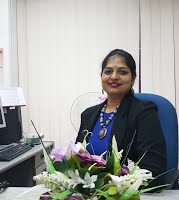
Dr. Premalatha Thiagarajan is a Senior Lecturer and the Head of Dance Department at the Faculty of Creative Arts in Universiti Malaya. She received her Ph.D in Critical Dance Studies from the University of California Riverside, USA, in 2012. Through her doctoral research, she pioneered the research in Indian dance practices in Malaysia. She has published her research as book chapters and journal articles. She is a vivid Bharatanatyam dance practitioner. She is the founder of Premalayaa Performing Arts, a company that specialises in Indian classical dance and music. She is also the co-chief editor of Tirai Panggung and is recently appointed as an editorial board member for the prestigious dance journal, Conversations Across the Field of Dance Studies, an annual publication of Dance Studies Association (DSA).
Title: Interventional Dance Therapy for Breast Cancer Survivors at the National Cancer Society Malaysia
This interventional therapy project was carried out for three months in the year 2019. It foregrounded dance as a therapeutic intervention for breast cancer survivors at the National Cancer Society Malaysia (NCSM). A group of 20 women was recruited with the help of NCSM. Certified movement therapist, Mahisha Naidu, was employed to conduct sessions for the women. Each session lasted for two hours on Friday afternoons. Participants were given different forms of movement activities that required physical, mental, and emotional engagement. Through the practice of “check-in” and “check-out”, each woman shared her individual expectation for the session, and later, reflected the outcome of her participation. At first, the “untrained” group was skeptical because the intervention did not require them to learn any particular dance form, but instead, required them to improvise through their “ own” movements. Women who were “reserved” about creating dance movements and sharing their stories evolved with the process. Not only did they become “open” to the sessions, but they started making meaningful connections to their lives through dance. Variety in activities, uncertainties in the outcome, freedom of exploration were some of the key factors that yielded unexpected outcomes for this study. This project raised issues pertaining to the relationship between tertiary institutions and communities and sustainability. These issues as well as design and delivery of the project will be examined in this paper.
Poon Chiew Hwa
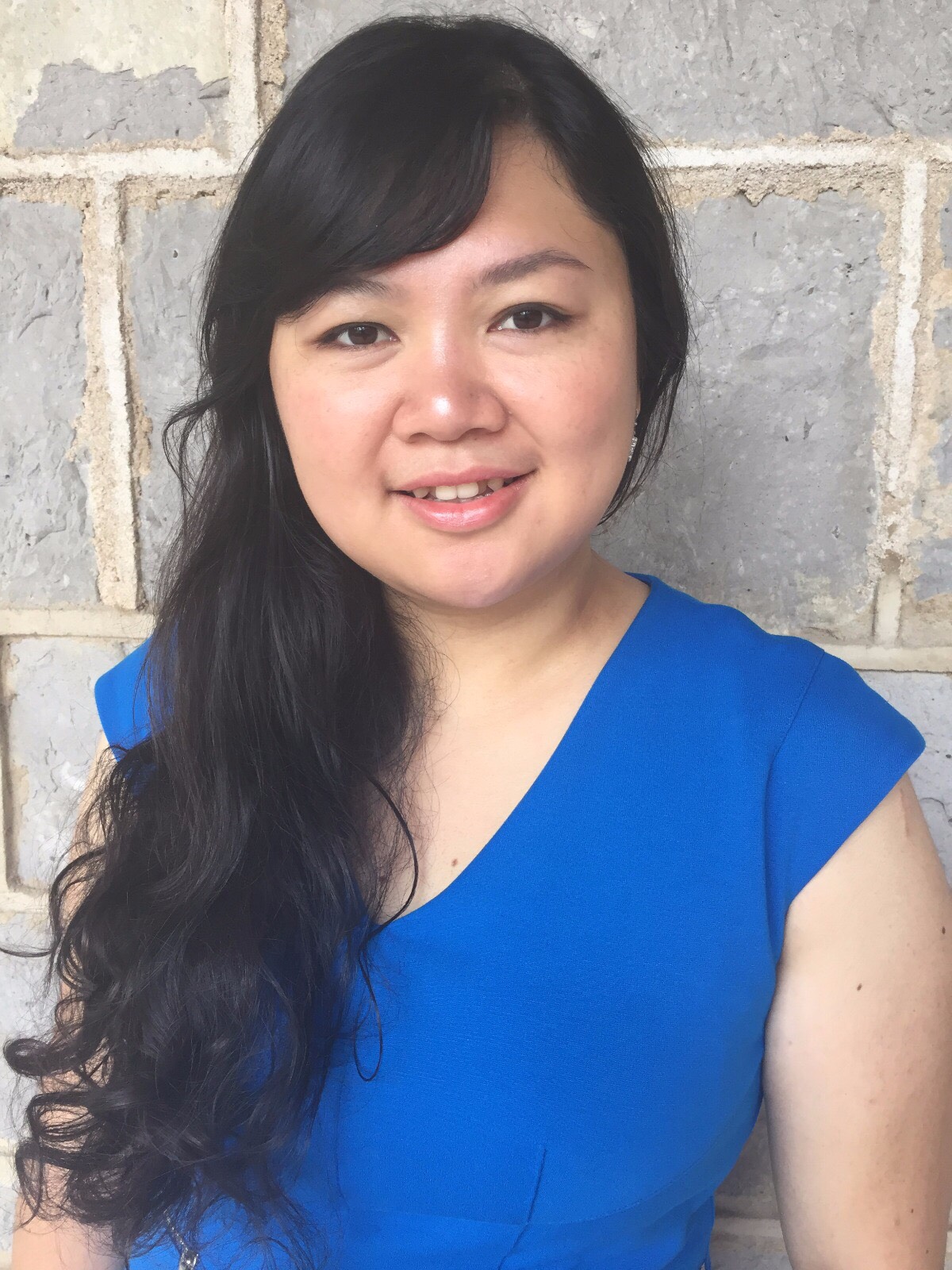
Poon has performed in the United States, Mexico, Spain and Malaysia. Her performances in Arizona and Conservatorio de las Rosas in Morelia received outstanding newspaper reviews. One reviewer lauded her as a pianist “who has the power to communicate her emotions intensely”. Another claimed the concert left the audience “weeping with gratitude and admiration”. She has also been invited to present masterclasses at several universities. Chiew Hwa is currently a senior lecturer at the University of Malaya and she holds a Doctor of Musical Arts degree in piano performance from the University of Arizona. She has also achieved the Applied Credential in Dalcroze Education at Longy School of Music, Boston. Dr. Poon conducted music and movement sessions for dementia patients, senior citizens, children, and high school band students. Her research interest in music and movements was evident in her recent article publications both locally and internationally.
Title: Engaging Seniors with Dementia through Music and Movement
The number of people with dementia is increasing globally, and it is expected that the rate of dementia cases would rise with the expansion of the aging population in Malaysia. Elderly with dementia usually encounter difficulties with memory, language, thinking and physical ability. Music has the power to stimulate the mind and emotions. It could also motivate listeners to move along with it. In the music and movement sessions of Alzheimer's Disease Foundation Malaysia's (ADFM) Day Care Centre, music was used as a medium to stimulate physical responses, emotional reactions and social interactions. The goal of these music and movement activities is to achieve the unification of mental and physical wellbeing. In this presentation, the presenter will expound on the experience of delivering these music and movement sessions to seniors with dementia from the perspective of design and plan, implementation, and reflection.
Kavitha Krishnan
.png)
Kavitha Krishnan co-founder and artistic director of Maya Dance Theatre (MDT) has toured internationally with ASEAN contemporary dance production, "Realizing Rama” representing Singapore from 2002 to 2007. A vast experience in Bharathanatyam and keen interest in contemporary dance, Kavitha brings a unique expression to MDT and has collaborated with international artists, creating inter-disciplinary/trans-cultural dance-theatre works with social consciousness, staging the works both locally and beyond. Since 2020, Kavitha with MDT have moved their dance theatre works and community projects to the digital realm to overcome the challenges of the global pandemic situation. In 2018, she founded Diverse Abilities Dance Collective (DADC) for diversely abled dancers to co-exist with professionals. Since their inception, they have created productions like: Speaking with Hands c-choreographed by Liz Lea,choreographer from Canberra, Australia with the support of Asialink Australia and National Arts Council, Singapore. In 2021, DADC created their first dance film- SEEDs to bring awareness towards disability arts and performers. Kavitha has received the Woman of the Heart Award from Singapore Indian Chamber of Commerce and Industry (SICCI) and is currently participating in Singapore International Foundation’s (SIF) Fellowship programme (October 2021 – Feb 2022) that focus on Arts for Good. As a trained occupational therapist, Kavitha values dance as a medium for communication and building connections; she believes, Dance Heals.
Title: Silver Lining. Dancetheatre through psychosocial elements promo6ng community engagement
Maya Dance Theatre over the past 5 years has created dance theatre works that are framed within psychosocial dimensions to bring forth social stories of individuals. Silver Lining aims to bring the value of the Arts to the foreground as it plays a pivotal role within the community as it aids to project vulnerable communi6es, share about individuals and their social stories to bring awareness and community engagement through the ar6s6c presenta6ons. Kavitha Krishnan trained as an Occupa6onal Therapist and experienced in crea6ng dancetheatre works within the psychosocial dimensions, sheds light on the discussion through 2 of Maya’s recent projects:
-
Behind Closed Doors (BCD), a web-based project co-created by dance ar6st Eva Tey and crea6ve producer Imran Manaff in 2020. During the pandemic, due to social isola6on and “lock downs” the topic discussed became highly relevant to BCD; we walked into the space of seniors who have experienced social isola6on, especially those living with families. The project includes a journey through which audience are able to navigate their experiences listening to the sharing by seniors, filed experts like social worker and young people addressing the elephant in the room! Through a mul6-disciplinary design, inclusive of dance film, photographic exhibi6on, inter- genera6onal ac6vi6es with seniors and young people and interviews, BCD aims to open avenues for seniors to interact with the society.
-
Pancha (means 5) installa6on 4, Less and Lesser. The hybrid project aims to connect us the seniors in the project. 2 seniors have taken a one-year with Maya Dance Theatre to co-create this project from 2020. Through this extensive process, the seniors have shared about their past, the dreams, aspira6ons, and challenges; a part of them have generously shared both their 6me and about themselves. Less and Lesser invites conversa6on with seniors, promotes community engagement through a dancetheatre work and opens new conversa6ons as we share social stories, precious moments of the seniors and connect with them through artmaking.
Panel 5
11:00-12:30
Chair: Wang I Ta
Dr. Marzelan Salleh
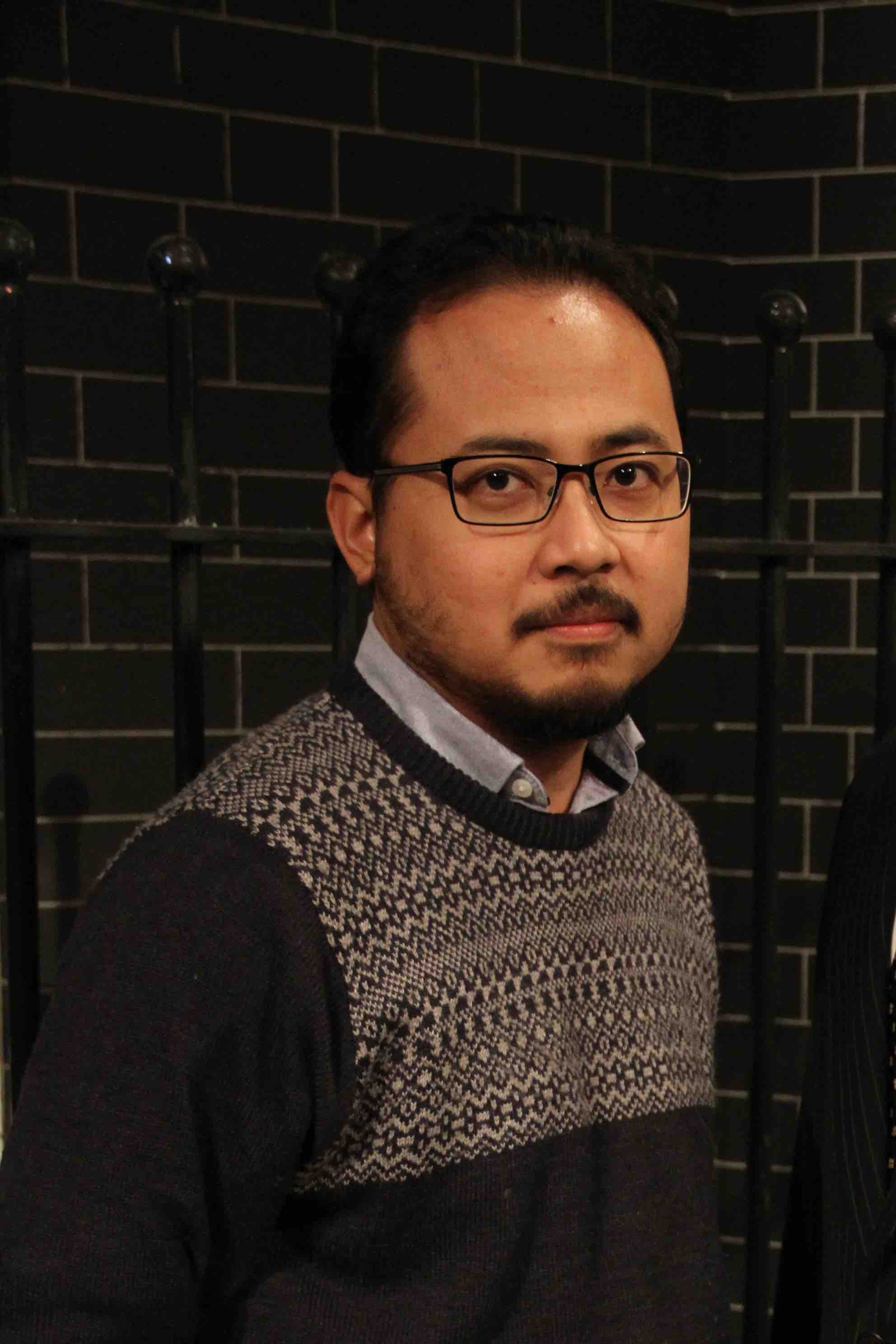
Marzelan Salleh has lived in Malaysia and UK. His music are inspired by contemporary music methods and nuances of Asian music, with performances in United Kingdom and Malaysia alongside composers John Pickard, Michael Ellison, and Dieter Mack at Bristol New Music Festival, New Music in the South West, Contemporary Music Venture Concert Series and Bristol’s New Music Ensemble Concerts. He has worked and collaborated with Quatuor Bozzini, the Brodowski Quartet, and New Music Ensemble Bristol. He has attended composition workshops and masterclasses by renowned composers and musicians such as Pierre Boulez, Sir Peter Maxwell Davies, John Pickard, Trevor Wishart and Nigel Clarke. He has also won awards ‘Best Creative Writing’ STedex 2017 for compositional research and Gold medals in teaching-learning research PicTL 2020 & 2021. He received his PhD in Composition from the University of Bristol UK. Currently, he is a senior lecturer at the Faculty of Creative Arts, University of Malaya.
Title: Cermin Edina: Exploring Musical Gestures in Malay Art Songs
The term art song refers to a genre and its differentiation to a pop song and other music genres. An art song is typically a song written in the classical music tradition. It is composed for and performed by one voice with piano accompaniment. In an art song, the piano does not merely act as an accompaniment in the background, but rather take an equal prominent role together with the voice in narrating the text or poem. The texts of an art song are most often typically independent poems or text that is set to music, intended for the concert repertory as part of a recital. Poems are imaginative written words expressing and sharing multitudes of expressions and emotions with particular attention to diction involving rhyme, and rhythm. Poems are transcultural whereby it exists as a secular tradition in almost all world cultures. In the Malay world, Malay poems or puisi Melayu exists as does the English poems in English literature. However, Malay art songs are not known to exist before as this is a recent innovation of the 20th century Malay art form. Synthesizing puisi Melayu with music composed in the style of western classical tradition gave birth to a genre known as Malay art song. This paper seeks to explore the gestural possibilities and answer the gestural competencies of Malay text with western classical tradition music and vice versa. The composi=on en=tled Cermin Edina will be the point of reference and study to illustrate the subject of musical gestures in composing Malay art songs.
Mohd Rafi Jafranee

MOHD RAFI JAFRANEE is a Senior Cultural Officer at JKKN Selangor starting December 2020. Past Experience in JKKN Perak (2013-2020), JKKN Selangor (2005-2013), Pak Ngah Production Sdn. Bhd and SN Dato ’Nordin Hassan (2004-2005). A graduate of performing arts and administrative science from UiTM Shah Alam and currently studying for Master of Performance Studies at UPSI. Since serving in JKKN, has been involved in a series of research in Selangor during 2007-2013 for traditional arts; ‘Cempuling’, ‘Kentrong’, ‘Kompang Jawa’, Dabus Kuala Selangor, ‘Sepetan’ culture of Selangor-Perak Javanese community, and Bugis arts community in Selangor. In Perak, he is experienced in conducting research on Gambus Padang Changkat arts, Kuala Kangsar, Perak (2014 & 2019) for writing manuscripts and articles, Rebana Perak (2015-2020), Hadrah Selama, Perak (2020), Dabus and Lotah (2014-2019), Lenggok Dance in Bagan Datoh 2015-2016. Among the writings produced are the stage drama and musical theater work ‘Peter Perak’, ‘Teaterika Puteri Zaleha’ and ‘Muzikal Manja Oh Manja’ which has won the Hadiah Karya Darul Ridzuan awarded by the State Government of Perak. Scholarly writings produced include the article 'Theater Between Knowledge and Criticism', 'Secrets of Geometry and Mathematics of Perak Drums', and wrote some grant papers and other creative works such as performance concepts, song lyrics, and poems genre. The personal research and art project being conducted is Rebana Perak and Gambus Padang Changkat, Dabus Perak, Lagu Asli Workshop, and ‘Ragang’ theatre production which has been approved under CENDANA funding programme 2021-2022. In addition to conducting research projects and advocacy to assist the traditional arts of the state, writing articles has also presented for International Transdisciplinary in Performing Arts Conference 2021 (InTransPAC 2021), Ipoh Music Symposium 2021 (IMS2021), Persidangan Antarabangsa Memartabatkan Bahasa Melayu (PABM-VIl 2021), The 8th International Seminar on Nusantara Heritage (ISoNH 2021), 2nd International Symposium on Arts and Culture (ISACCE2021), 6th Symposium of the ICTM Study Group on Performing Arts of Southeast Asia, International Borneo Islamic Education and Aabic Conention (IBIEAC 2021), and became a participant of the 6th Symposium of The ICTM Study Group on the Performing Arts of Southeast Asia (PASEA).
Title: Geometry and Mathematics of Rebana Perak: The secret of Local Community Art Knowledge
Perak is famous for its diversity of handicraft art resources which has become an important enterprise and one of the economic activities in several districts, especially along the Perak River. Art products such as Labu Sayong and the traditional musical instrument Rebana Perak are among the arts and cultural activities of the local community that require high talent and specialized skills in the art of carpentry. Usually, these traditional works of art are evaluated in terms of appearance and function, but the value of the content of knowledge, policies, and expertise of our own society is rarely known and appreciated. Therefore, this study is done to find out and explain the content of geometry and mathematics knowledge in the production of a traditional musical instrument Rebana Perak. This study also tries to prove that modern life and technology nowadays are a continuation and born from the wisdom or ingenuity of the local community of the past. Based on that purpose, an ethnographic study was conducted in Kampung Kepala Bendang, Sayong, Kuala Kangsar, Perak. The researcher found an activist in the art of music and song Rebana Perak who is also a full-time entrepreneur of making Rebana Perak musical instruments. Study data were collected through live observations in carpentry workshops, unstructured interviews, audiovisual recordings as well as taking still pictures of the Rebana Perak manufacturing process starting from raw material until ready to be used for performing. The results of the study found that the knowledge of geometry and mathematics is an important knowledge base to produce a Perak Rebana musical instrument. Research can also highlight the advantages and wisdom of previous societies that have previously explored various fields of knowledge and the results are enjoyed to this day. The results of the study are expected to be a value of recognition and appreciation for local art product artists and be an added value to the branding of Rebana Perak itself as well as to increase the level of public awareness of the content and uniqueness of their own culture.
Jeanie Ling Ching

Jeanie Ling Ching is a dedicated, passionate individual with full commitment, who truly believed that it’s limitless in learning and gaining knowledge. She started her music journey of piano playing and sung in church choir. Pursued her higher education of Diploma in Music Performance in Akademi Seni Kebangsaan; majoring in Piano Classical and Vocal as minor studies. She was an active member singing and performing in National Choir of Malaysia. Hereinafter, continued studies in Universiti Putra Malaysia (UPM), obtaining Degree in Music (Education). Specializing in Music Education, she teaches piano, vocal and clarinet. Besides that, she also obtained Degree in Music and Arranging and Composition from Aswara. She has 18 years of music teaching in private music schools, international school and part-time lecturing in Aswara. Her music journey didn’t just stop there. She continued on with Masters in Performing Arts (Music Education) in Pusat Kebudayaan, Universiti Malaya. She is currently in her 2 nd year, pursuing PhD studies in Performing Arts, in the Faculty of Creative Arts, Universiti Malaya.
Title: Setting cultural resilience and sustainability using new pedagogical approaches in engaging into the impact of youth’s social behaviour in overcoming the pandemic through hip-hop and rap music.
Art in 21st century needs a change into this diversity world, where arts engagement between Arts Education and Music Education take place. Theory and practice of pedagogy varies as they reflect different social, political, cultural aspects and psychological development of the learners. The new pedagogical approaches aimed to develop the skills and knowledges that students need to succeed in life as the future generation. In this research, researchers will be using method of self-report in observing selected popular videos of the hip hop and rap music movement in Asian countries, integrating and engaging into the impact of youth’s social behaviour caused by the pandemic. The study focused on youth from age group of 15-24 years old. Due to current pandemic, researching upon the youth’s social behaviour by using hip-hop and rap music as the new pedagogy approaches for more effective interaction in teaching and learning music, based on their feelings and attitudes in experiencing the pandemic. The findings are aiming on teacher-students’ communication in achieving and setting cultural resilience and sustainability into the impact of youth’s social behaviour in experiencing and overcoming the pandemic through hip-hop and rap music. Implication of the new pedagogical approaches in overcoming pandemic and post-pandemic is to build and stabilize the resilience and sustainability of the individuals into more independent new age society of the century.
Panel 6
13.30 – 15.00
Chair: Roslina Ismail
Sahar Meshginghalam
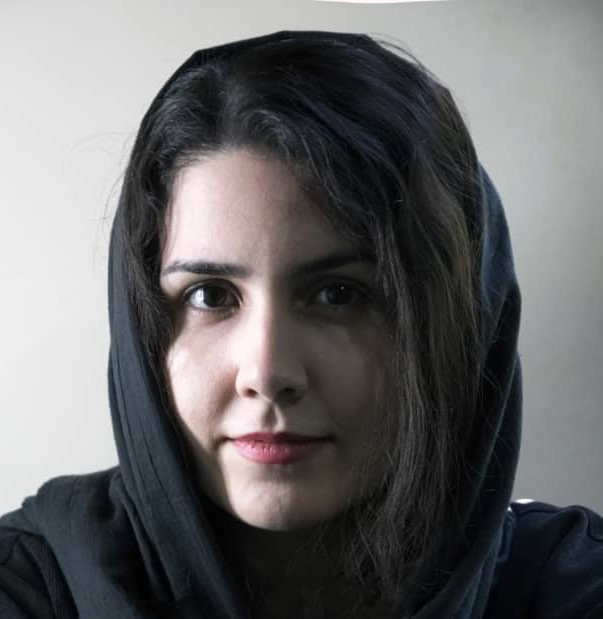
I have a bachelor’s degree in English Language and Literature, a master’s in Dramatic Literature, and I am currently a PhD candidate in Theatre Studies in University of Tehran. My expertise is analysing dramatic literature through which I want to show the ways theatre can break the limits of self-consciousnes, encourage critical thinking and freedom, improve the taste of the spectators, and be a practice for a better world we all deserve. I am working on the aesthetics of critical dramatic literature to find the devices that a writer can use to make the play critical without shouting the message. Art needs contemplation and carrying meaning in the surface is not aesthetically appealing. I believe that the process of discovering meaning can help people be more critical of their surroundings, and take action when needed.
Rhetorical Criticism of the plays with a large audience participation
Lecture-Performance: Interweaving Lecture and Performance
Theatre in general depends on a community of spectators to find its place in society. As it has been discussed through the history of theatre, audience participation cannot be neglected. This has its roots in Erwin Piscator, Bertolt Brecht, and Augusto Boal’s practice. The goal of all of these practitioners has been making audience more active, socially and politically. These works were more in the practical area. In theatre studies, the role of spectators has always been negotiated; however, the way plays work has not been fully analysed to see how they are affecting the community of viewers. There have been many theories supporting the notion that theatre in its core should be used as a tool for boosting awareness in communities. The questions this article wants to answer are: What percentage of the theatre productions with a big number of spectators in Iran did have a social message in recent years? What are the ideological patterns presented in the plays? What characteristics do those play have in common that enable them to act as a strong medium to influence the viewers’ awareness?
The theory chosen for this paper is Rhetorical Criticism. Rhetorical criticism is a way to analyse texts closely to find out the meaning a specific text wants to publish. The next step is to analyse the structure of the text and examine whether the structural parts are related to the meaning found in the first step and support that message. Finally, the researcher should assess the findings in the first two steps. In this research, the performances which were publicly acclaimed were chosen to be studied based on Rhetorical Criticism to find out what made the plays appealing to the audience, and whether they were effective in terms of social concerns or not. Analysing different plays with a social message has shown that they have some elements in common, e.g. irony, metaphor, defamiliarization and satire, to name a few. Therefore, this paper can give a pattern through which the most affective plays have worked so that these models can be adopted. The next step, which is a suggestion to theatre groups, is making a platform for joining the audience in discussions about the performance they watched, which does not happen in many productions. The benefits of this approach are numerous. The theatre group can get the experience of real-life characters and both the production group and the audience can take a step in gaining awareness about life and social problems, and even try to come up with some solutions. Art can be a great tool for establishing ideas among all groups of people and theatre is definitely one of the strongest art forms because of its connection to the community of audiences.
Subastian Tan
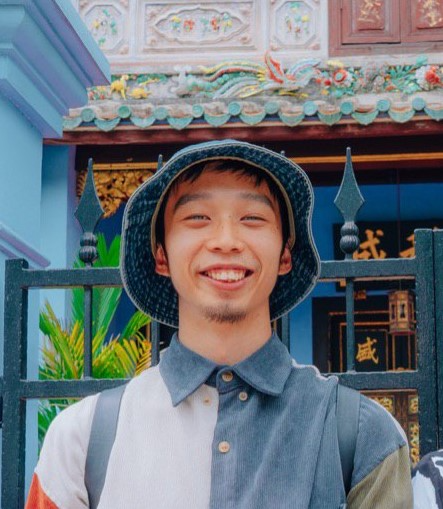
Subastian is a graduate from Singapore Management University (SMU) with a degree in Social Sciences (Psychology). Since 2016, he has been a dance artist at Maya Dance Theatre (MDT), performing for productions such as Anwesha: Beyond The Darkness and Pancha: Flowers Don't Bloom All The Time which address social issues through dance theatre. He is also the programme supervisor of Diverse Abilities Dance Collective (DADC), a community initiative by MDT started in 2018 which provides a semi-professional platform for persons of all abilities. The team has since presented works locally and internationally, fostering empowerment and giving a voice to a diverse group of artists. Through his craft, Subastian aims to connect across cultures and abilities to reflect lived experiences and provide a safe space for conversation and introspection.
Title: The New Chapter
With the ongoing pandemic, avenues for community engagement have changed and taken on different forms. This was apparent for Diverse Abilities Dance Collective (DADC), a Singaporean dance collective which offers a semi-professional platform for dancers of diverse abilities. This paper covers the adaptations and developments of the collective as they continued training, performing and engaging with different communities through a variety of activities. In the past year alone, the transition to a technology-based form of communication and engagement led to many possibilities for connecting with community groups which would have otherwise gone under the radar. Through the challenges and successes, DADC continues to develop from the learning points as they move forward in this journey. By referencing case studies and personal accounts of the DADC team and the people they have engaged with, the paper reflects on these experiences and offers insight into this universal transition in the context of the Singapore-based dance collective.
Geneviève Gamache
Geneviève Gamache, known as Dr GG by her colleagues and graduate students, is a McGill alumna with a PhD from Uvic. She is a Senior Lecturer of Visual Studies at the Faculty of Creative Arts, formally known as the Cultural Centre, of the Universiti Malaya. Educated in Canada, her specialisations are varied, with expertise in Late Classic and Early Medieval European Art and Architecture, as well as Contemporary Asian Arts and Cultures. More recently, her work has focused on contemporary discourses on Tradition, the Tourist Gaze, the ‘use’ and transformation of Traditional Culture in Popular Culture, and the promotion of Heritage, particularly issues of valorisation of as well as engagement with Heritage in contemporary times for different audiences. She is currently engaged in different research having to do with how Traditional Cultures and Cultural Heritage are framed and promoted in contemporary times for different audiences, including in Museums, Graphic Novels, and Themes Parks to name only a few.
Title: Critical discussion on the 'desire' for community engagement in the physical museum (critic of the digital)
Responses to the call for digitizing Heritage, both tangible and intangible, has been quite positive. Academia and different cultural institutions, public and private, have responded to the trend by making available multiple grants and projects promoting transdisciplinary research between researchers focusing on Culture and researchers focusing on Digital Technologies. But while the rising interests in new digital technologies as the ‘way to,’ not only get funding for heritage, but also to protect and preserve heritage, there are limits to the value of heritage digital technology can bring. When it comes to heritage, what is important is individuals and communities whose heritage it is, to value this heritage. If people do not value what is presented to them as heritage, then it will remain history rather than heritage. When it comes to valorisation of heritage, studies often explore how to increase community value by direct involvement with heritage. In this paper, I will explore the limits of the new digital technologies, particularly VR when it comes to valorisation of heritage.