KEYNOTE 1
Professor Dr. Maria Serena I. Diokno, Ph.D.
University of the Philippines Diliman
THE VIEW FROM OUR END
Southeast Asian studies in the region today has come a long way from where and when it started. While area studies in the United States and Europe are in a state of crisis (e.g., closure of established institutes, budget cuts), in Southeast Asia the field is growing. Most universities in the region accept that Southeast Asian studies is a multidisciplinary field; whether is it a discipline or not is of less concern for the more pressing need, in my view, is to develop a theoretical foundation for studies of the region. I present some examples of concepts developed from the ground and urge our colleagues to use the rich empirical data we gather in order to develop concepts that not only explain ourselves and our past and present conditions, but enable comparisons across the region and indeed, across different regions of the world.
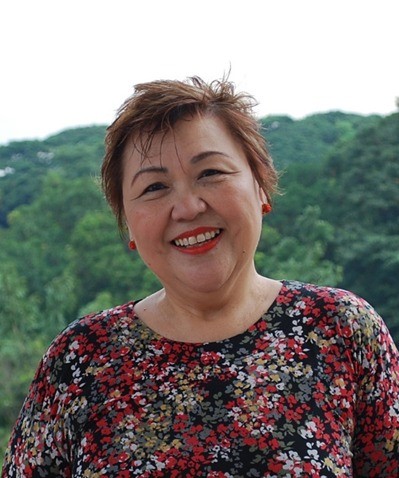
Maria Serena I. Diokno, PhD, specialises in the history of the Philippine Revolution and the Philippine-American War, Philippine Historiography, and Southeast Asian Studies.
[https://history.upd.edu.ph/?emeriti=diokno]
KEYNOTE 2
Professor Dr. Poline Bala
Universiti Malaysia Sarawak (UNIMAS)
MAPPING AT THE MARGINS: INDIGENOUS DIGITAL CARTOGRAPHIES AND THE RE-CENTERING OF BORNEO IN SOUTHEAST ASIAN STUDIES
By foregrounding Borneo as a knowledge frontier, this talk contributes to decolonizing Southeast Asian Studies and highlights the potential of Indigenous digital cartographies to reshape scholarly, policy, and community futures.
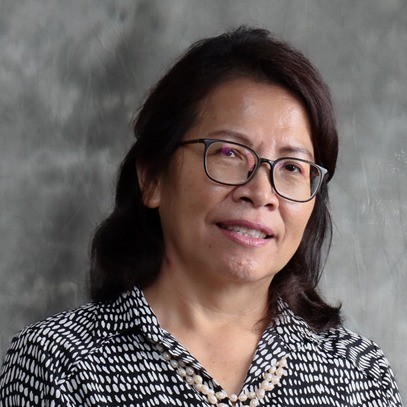
Professor at the Faculty of Social Sciences and Humanities
Universiti Malaysia Sarawak
Poline has been working as a principal researcher and senior research fellow, and is one of the pioneers of the e-Bario project. This community-university partnership programme has been running for the past 20 years. She works to design, plan, and implement using a community or people-centred approach, asset-based community development, and participatory techniques. All these boil down to her keen interest in societal issues surrounding “marginal and minority people” at the margins of technological advancement and innovation.
[https://expert.unimas.my/profile/355]
Total Visits : 15315