Invited Speaker


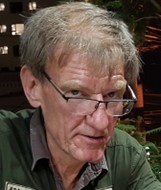
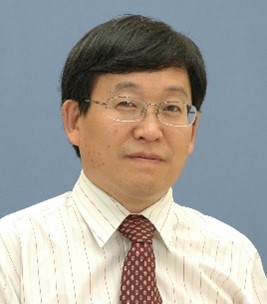
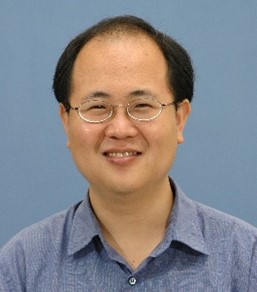
A/P Dr. Paul Lee
National Institute of Education - Natural Sciences & Science Education
National Institute of Education / Nanyang Technological University, Singapore
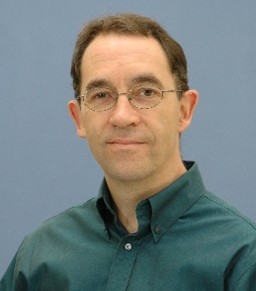
A/P Dr. Stuart Victor Springham
National Institute of Education - Natural Sciences & Science Education
National Institute of Education / Nanyang Technological University, Singapore
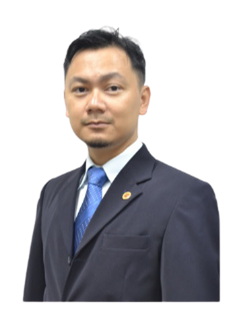
Prof. Nafarizal Nayan
Department of Electronic Engineering, Faculty of Electrical and Electronics Engineering
Universiti Tun Hussein Onn Malaysia (UTHM), Malaysia

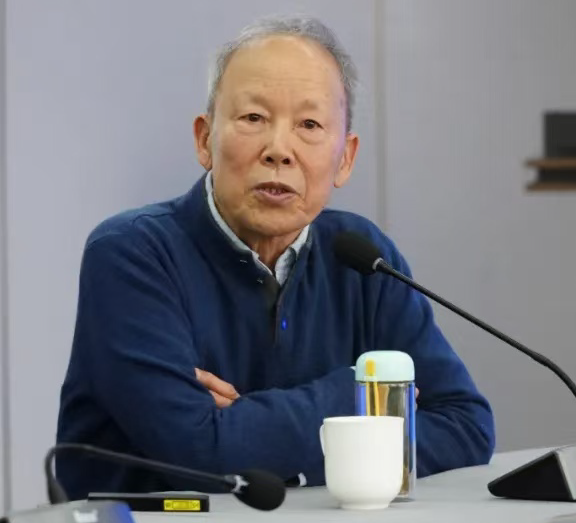
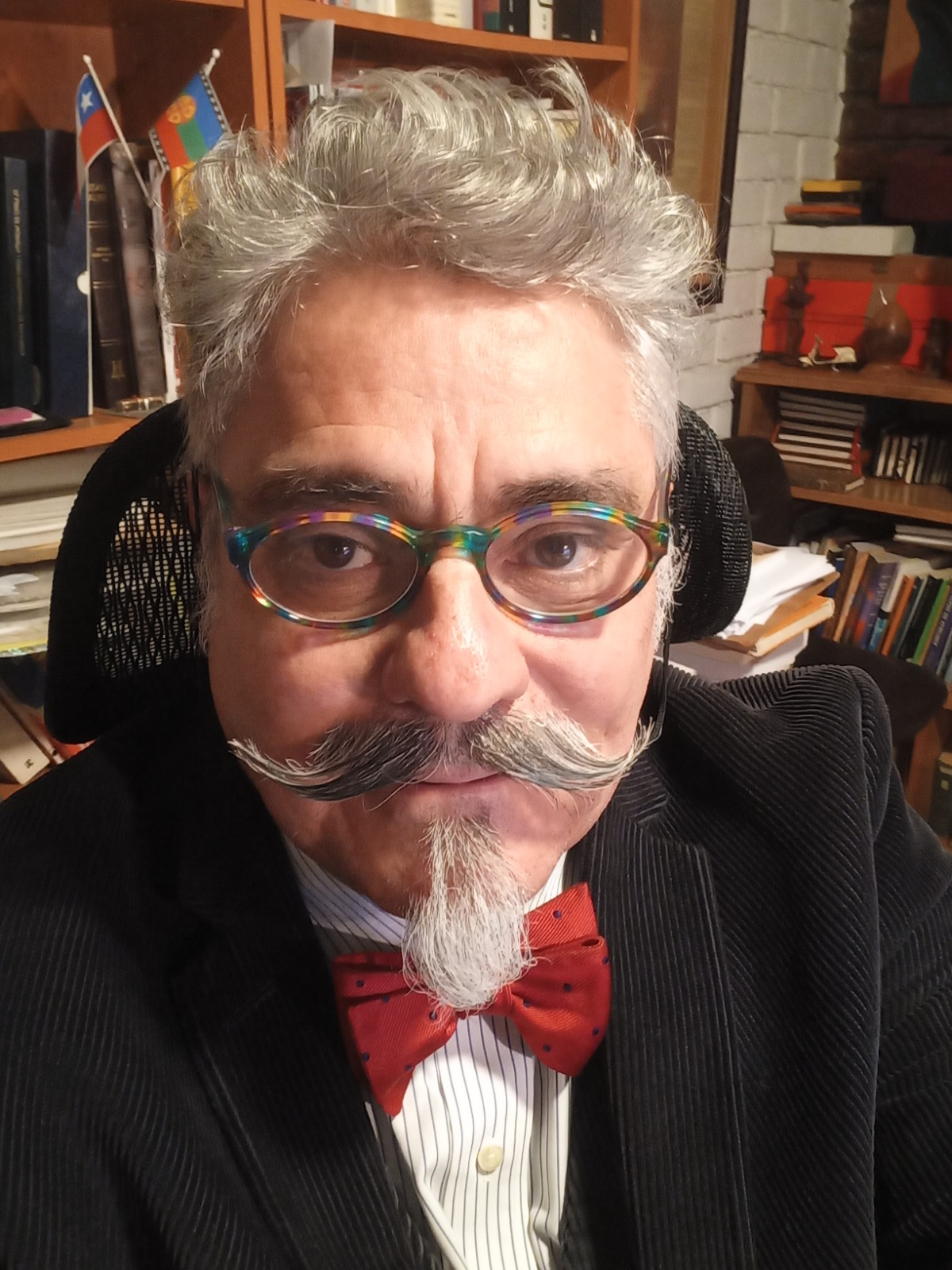




and many more...
Prof. Miran Mozetic - Biography
Professor Miran Mozetič received the Diploma Engineer Degree in Physics from the University of Ljubljana in 1988 and a Ph.D. Degree in Electronic Vacuum Technologies from the University of Maribor in 1997. He served as an engineer at the Institute of Vacuum Technology and Electronics, Ljubljana, between 1988 and 1995 and as the Head of the Plasma Laboratory at the Institute of Surface Engineering and Optoelectronics, Ljubljana between 1995 and 2003. Since then, he has been with Jozef Stefan Institute. He has been serving as the Head of the research unit since 2009, currently involving about 30 researchers and technicians. He has co-authored 400 scientific papers and was granted 30 patents in the niche of plasma technology. His H-index is 58, and his current interest is the application of extremely non-equilibrium states of reactive gases for tailoring surface properties of solid materials.
Prof. Magdaleno Vasquez - Biography
Professor Magdaleno R. Vasquez Jr. is a faculty member in the Department of Mining, Metallurgical, and Materials Engineering (DMMME), College of Engineering, University of the Philippines (UP) Diliman. He earned his BS in Chemical Engineering and MS in Materials Science and Engineering degrees from UP Diliman. He holds a Doctor of Engineering degree from Doshisha University. He also received his MS in Innovation and Business degree from the Asian Institute of Management.
His research interests include plasma science, ion sources, and charged particle-material interactions. He focuses on developing affordable plasma and ion source systems for material synthesis and modification. He has also developed vacuum-based and atmospheric pressure-based plasma systems for the surface treatment of organic and inorganic materials. He established the Plasma-Material Interactions Laboratory at DMMME where he implements government-funded and industry-sponsored research projects. He also mentors research students at the undergraduate and graduate levels. Dr. Vasquez is also active in promoting the transfer of technology from university-developed technologies.
Currently, he is the Director of the Technology Transfer and Business Development Office of UP Diliman. He was the former Chairperson of DMMME, past President of the Vacuum Society of the Philippines, past Councilor of the International Union of Vacuum Science, Technique, and Applications, and designated delegate to the Asian African Association for Plasma Training. He was conferred with the title of UP Scientist since 2018. In 2019, he was appointed as Innovation Fellow of UP. In 2022, he was named Outstanding Engineering Professor of the College of Engineering. In 2024, he was awarded the Project Leader of the Year from UP ERDFI and Outstanding Engineering Researcher from the College of Engineering.
Prof. Leopoldo Soto - Biography
Professor Leopoldo Soto Norambuena, Chilean citizen, received the B.S., M.S. and Ph.D. degrees in Physics in 1989, 1990 and 1993, respectively from the Pontificia Universidad Católica de Chile, Santiago. He joined to the Chilean Nuclear Energy Commission (CCHEN) in 1993 where he founded the Plasma Physics and Nuclear Fusion Laboratory. His research interests include dense transient plasmas, pulsed power, especially Z-pinch, plasma focus, nuclear fusion mechanisms, capillary discharges, pulsed power miniature devices, effects of pulsed radiation on materials and on biological objects, pulsed plasma thrusters, transient plasma diagnostics, holography, interferometry, and optical refractive diagnostics. Main contributions in the scaling rules for miniaturization of plasma focus devices, extending the research up to devices operating inclusive lower than one joule. Over 120 articles published. In 1999, he was awarded with a Presidential Chair in Science by the President of Chile. In 2007, he was elected as a Fellow member of the Institute of Physics, UK. He was the Director of the Research Center on the Intersections in Plasma Physics, Matter and Complexity, P2mc, of the CCHEN during July 2021 to February 2024. He is associated full professor of the Universidad Andres Bello, Physical Sciences Department, Chile. He is member of the scientific advisory committee of the Latin American Workshop in Plasma Physics and of the International Congress of Plasma Physics. He is the President of the Chilean Physical Society for the period June 2023 to June 2025, and he was its Secretary General for the period 2017 to 2022. Since June 2017, he is scientific advisory of the Commission of Challenges of the Future, Science, Technology and Innovation of the Senate of the Republic of Chile. He is the representative of Chile at the Latin American Center for Physics (CLAF), and the Chairman of the Board of Directors of CLAF. Founder and coordinator of the Latin American Network of Nuclear Fusion of the Latin American Center for Physics, CLAF, May 2024 – present. He is an active promoter of the democratization of knowledge. Currently he has a weekly TV column in a broadcast television news, T13 Noche, Canal 13.
Prof. Quan-Zhi Zhang - Biography
Professor Quan-Zhi Zhang has been working at the School of Physics, Dalian University of Technology, China since 2019. He earned his Ph.D. degrees from both Dalian University of Technology and the University of Antwerp, Belgium, in 2014. In 2016, he was awarded the prestigious EU Marie Skłodowska-Curie Fellowship, which allowed him to conduct postdoctoral research in Belgium.
Dr. Zhang has been actively engaged in the study of low-temperature plasma technologies for over 10 years, resulting in the publication of more than 70 papers in international journals. Recently, they revealed novel heating mechanisms and transport effects in weakly magnetized capacitively coupled plasmas (CCPs) at low pressure. These findings have the potential to significantly enhance discharge processes and alter plasma properties. Their research is expected to generate considerable interest in magnetized CCPs among the broader plasma research community and related applications.
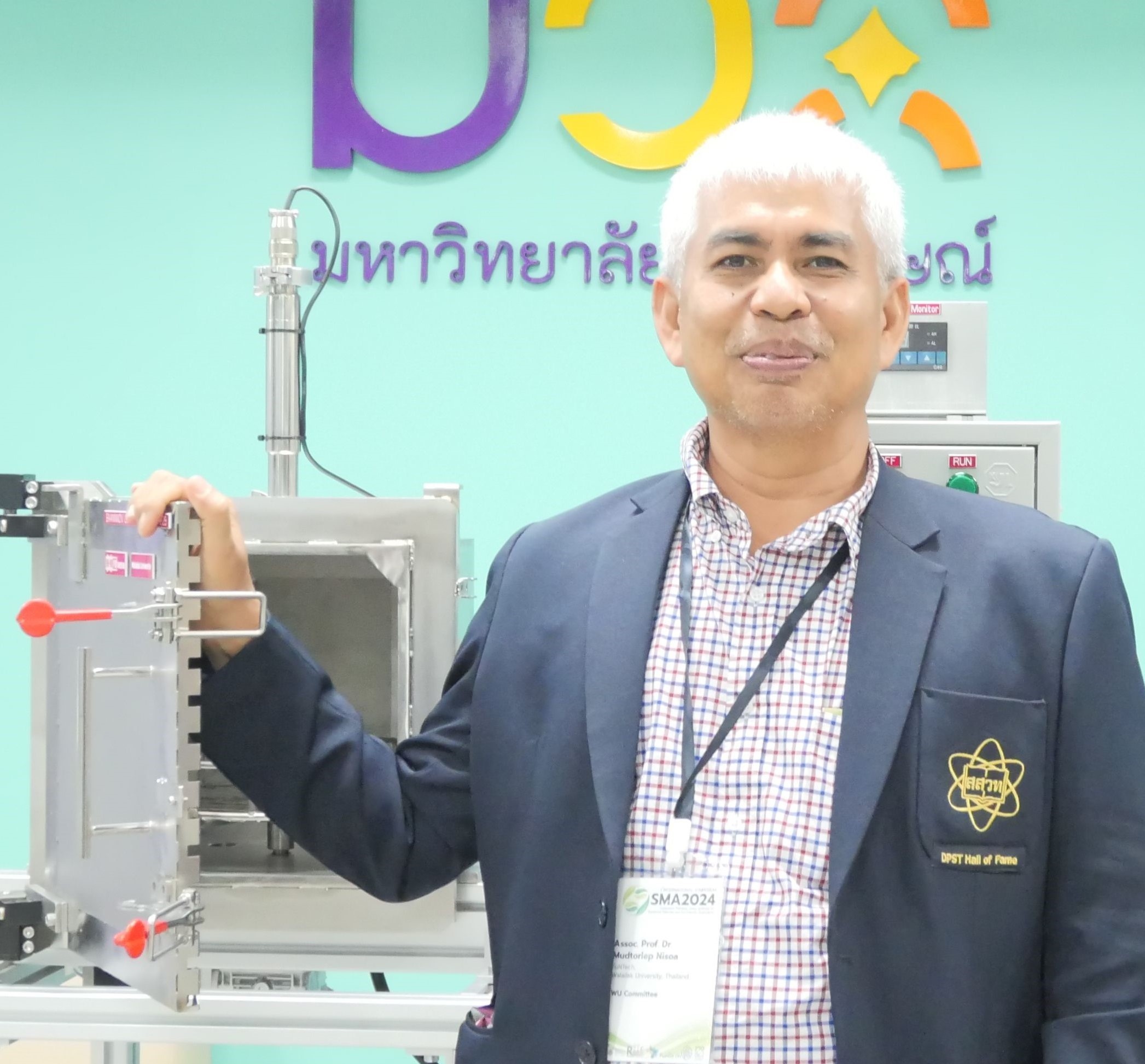
Prof. Mudtorlep Nisoa - Biography
Assoc. Prof. Dr. Mudtorlep Nisoa received a bachelor's degree in Physics from Prince of Songkla University, Hat Yai Campus, Ms.C., and Ph.D. in Plasma Physics from Nagoya University, Japan. He has been working on the physics of plasma productions and plasma applications since 2000. During the last 20 years, he has developed various plasma productions at low pressure and atmospheric pressure by DC, RF and microwave discharges. He has published more than 20 papers in journals and presented more than 50 papers at conferences on plasma production and applications.
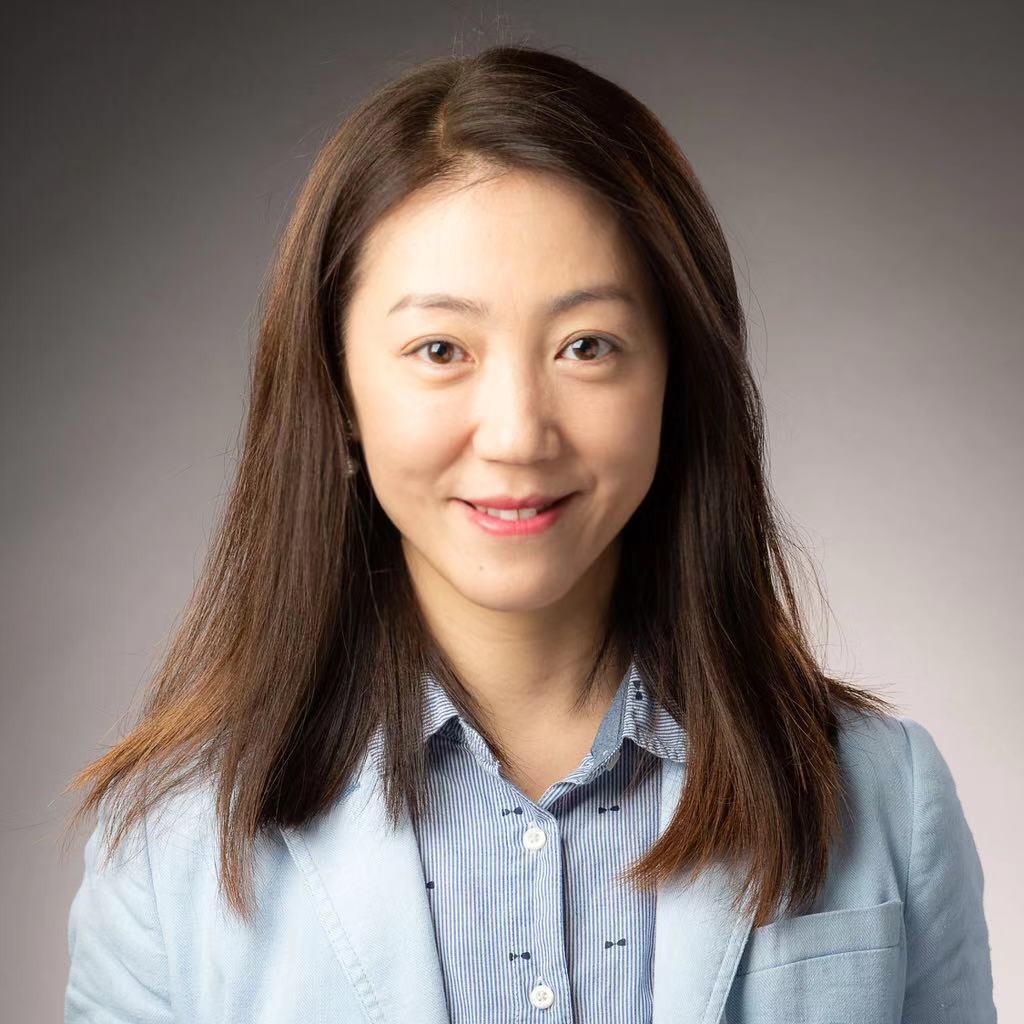
Prof. Mi Tian - Biography
Mi Tian is Professor in Low Carbon Engineering and a distinguished member of the Global Sustainability Initiative (GSI) at the University of Exeter. Her research is centered on sustainable energy, with a strong focus on hydrogen energy technologies. Dr. Tian is currently leading groundbreaking work on innovative hydrogen storage media for low-carbon combustion systems and sustainable transportation solutions.
Her expertise extends into plasma technology, having conducted significant work on the synthesis of nanostructured carbons through microwave plasma cracking of methane. She is also exploring the application of cold plasma techniques for hydrogen production and CO2 conversion, aligning with her broader focus on sustainable energy solutions.
In addition to her research, Dr. Tian is a passionate advocate for gender equality in STEM. She was recognized as one of the Top 50 Women in Engineering in 2020 and has served as an EPSRC-WES Ambassador for Women in Engineering since 2023.
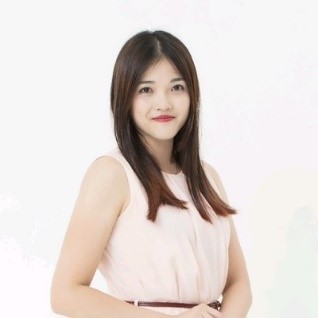
Assoc Prof. Dr. Wang Ying - Biography
Dr. Ying Wang is an associate professor in School of Physics at Nanjing University of Science and Technology, China since 2018. She received her PhD degree from Plasma Engineering and Applied Research Lab at Nanyang Technological University (NTU) in 2015. She joined School of Materials Science and Engineering (MSE) at NTU as a postdoctoral research fellow (2015-2017). She is a life member of Institute of Physics, Singapore (IPS) since April, 2017. She is currently the honored secretary of Asian African Association for Plasma Training (AAAPT) (2020-2024). Her research focuses on principles and applications of atmospheric plasma in material synthesis and modification, such as magnetic materials (FePt and CoPt), plasmonic materials (Ag and Au), and construction materials (net slurry and concrete).
Prof. Mohan Jacob - Biography
Professor Mohan Jacob is the Dean of Research Infrastructure at James Cook University and has been serving as the Associate Dean of Research Education for the College of Science and Engineering since 2014. Previously, he was the Head of Electrical and Electronics Engineering, where he initiated new accredited undergraduate and master's programs, along with multiple campus deliveries.
Currently, Mohan focuses on the development of sustainable and environmentally friendly materials for various applications. He is a pioneer in Microwave Assisted Pyrolysis for waste conversion, particularly in the areas of 'Waste to Resources' and 'Waste to Energy' and circular economy. He has developed various microwave-assisted waste processing systems and scaled up these systems for industrial applications.
Prof. Jacob has developed techniques and procedures for graphene synthesis from various carbon sources using RF Plasma Enhanced Chemical Vapor Deposition, Microwave Plasma, and Microwave Pyrolysis. The graphene produced is used in developing solar cells, supercapacitors, and various electrochemical sensors.
He also conceptualised the use of essential oils or their constituents as precursors for preparing polymer thin films for encapsulation and wound healing applications using low-temperature plasma polymerisation. He has successfully demonstrated the fabrication of optically transparent polymer thin films on various substrates, including silicon and plastics, and these approaches have been widely adopted.
Prof. Shuyan Xu - Biography
Shuyan Xu is a professor of plasma physics with a combination of experimental, analytical, and computational knowledge and experiences. His research interests lie in the areas of physics and applications of high density plasmas, RMF current drive in fusion plasma, development of plasma facilities and diagnostic instrumentation, applications of nonequilibrium plasma for silicon photovoltaics and environment, and plasma aided nano-fabrication and processing. He has conceived and founded a Plasma Sources and Applications Centre (PSAC) comprising of three research units: a) Plasma Processing Laboratory (PPL), b) Advanced Materials and Nanostructures Laboratory (AMNL), and c) Photovoltaic Research Laboratory (PRL).
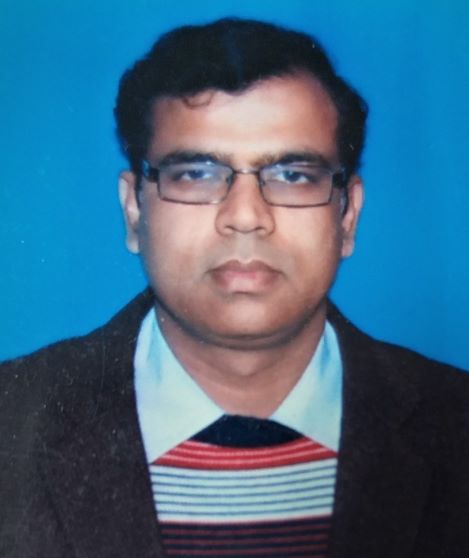
Prof. Ram Prakash - Biography
Dr. Ram Prakash is working as a Professor in the Department of Physics and Dean of Infrastructure Planning (DoIP) at the Indian Institute of Technology Jodhpur, India. Prof. Ram is a devotee scholar in the field of Plasma Physics and right now at IIT Jodhpur he is establishing a Cold Plasma Lab for developing technologies/products/prototypes related to health, food, energy and agriculture. He has made significant research contributions in low-temperature plasma applications particularly for clean air, water purity, environmental safety, and efficient energy systems. The unique aspects of his work are related to innovations that have involved design, development, and translation of fundamental research into devices and systems that can be used in the field by common man and industries. He has successfully developed six technologies -Four technologies for commercialization by industries and two technologies for strategic sector. The work done on novel Cold-plasma Detergent in Environment (CODE) Device for better indoor air quality, Advanced Photocatalytic Oxidation Systems to fight COVID-19 pandemic, Mercury-Free-Plasma UV-lamps for efficient water disinfection, VUV-spectrometer-detector system calibration source useful for tokamak machines, Radial Multi-channel High-current Pseudospark Switch useful for high pulse power applications, Sheet-beam Plasma Cathode Electron Gun useful for THz microwave generation are a few of them to cite.
Prof. Ram is a recipient of the Jaidutt Saraswati Sodha PSSI Plasma Award for the Year 2022 for his significant research contributions through publications in reputed journals in Plasma Physics, Elected as Vice-President of the Plasma Science Society of India (PSSI) for the term 2022-2024, invited as an Editor of Nature Scientific Reports in the year 2023, received a Foundation Day Award for Recognition of Excellence in Research in the year 2018 from CSIR-CEERI Pilani. He also received the SERC Fast Track Young Scientist Award for the year 2003-2004 and the BOYSCAST fellowship in the year 2005-2006 from DST, Govt. of India. Worked on ASDEX Upgrade Tokamak at Max-Planck Institute for Plasmaphysik, Garching, Germany during 2006-2007 as Guest Scientist. The International Atomic Energy Agency (IAEA) invited him as a consultant on ‘Quantitative Plasma Spectroscopy’ at it headquarter Vienna, Austria in the year 2009.
To his credit, he has more than 250 research contributions that have been published in different International/ National journals and Conferences, edited two books, written one book and three book chapters, and also filed five patents. He has successfully supervised 10 PhDs & 18 Master thesis and has guided more than 40 BTech thesis. As an author/co-author, he has also received 16 best paper awards in different International and National Conferences and two of his PhD students received prestigious BUTI and CSIR Young Scientist Awards, consecutively in the area of plasma science and technology.
Specific skills: Design and development of plasma systems and devices for different scientific, medical and industrial applications. Also, eco-system development for Startups/MSMEs in India.
Current Research Interest: Low temperature plasma applications for food, health, energy and agriculture.
Assoc. Prof. Dr. Pankaj Attri - Biography
Dr. Pankaj Attri has been serving as an Associate Professor at Kyushu University, Japan, since 2019. He earned his Doctor of Science (D.Sc) from Kyushu University and his Ph.D. in Chemistry from Delhi University, India. Prior to his current role, he was an Assistant Professor at Kwangwoon University, Korea, from 2013 to 2017. Dr. Attri has received notable fellowships, including the Japan Society for the Promotion of Science (JSPS) Invitation Fellowship at Kyushu University and the Marie Skłodowska-Curie Actions Individual Fellowship at Antwerp University, Belgium. His scholarly work is well-regarded, with over 150 publications, 10 book chapters, and 8 patents to his name, and he has garnered over 7500 citations. Dr. Attri also contributes to the scientific community as an Editorial Board Member for Scientific Reports and Magnetochemistry and serves as a Guest Editor for various other journals. His exceptional contributions to science have been recognized by Stanford University Researchers, who have listed him four times since 2017 in the world’s top 2% of scientists.
Assoc. Prof. Dr. Ruonan Ma - Biography
Dr. Ruonan Ma received the PhD degree in Academy for Advanced Interdisciplinary Studies, Peking University, China, in 2016. After that, she joined Zhengzhou University as a teacher. Now, Dr. Ruonan Ma is an associate professor in School of Agricultural Science, Zhengzhou University. She is the author and co-author of more than 50 journal papers.
Dr. Choe Earn Choong - Biography
Dr. Choe Earn Choong obtained her Ph.D. in Environmental Engineering from University Malaya in 2018. She is currently a Research Professor in the Environmental Engineering Department, Kwangwoon University, South Korea. Her research focuses on developing cerium based photocatalyst and plasma catalyst for water treatment. Choe Earn currently serves as an associate editor in the Journal of Water Processing Engineering.
Prof. Rusen Zhou - Biography
Professor Rusen Zhou received his Ph.D. in 2020 from Queensland University of Technology (QUT), Australia, and joined Xi’an Jiaotong University in 2024. His research focuses on developing plasma‐based up‐carbonization and energy conversion processes and understanding the interactions between plasmas and matter (liquids and solids). He has published 30 first-/corresponding-authored research papers, with an H-index of 26 (web of science).
Prof. Xuekai Pei - Biography
Professor Xuekai Pei obtained his Ph.D. in Electrical Engineering in 2014 at Huazhong University of Science and Technology. Then he joined Leibniz Institute for Plasma Science and Technology (INP), Germany. In 2016, Dr. Pei became a Postdoc at the University of California, Berkeley and concentrated on Plasma Nitrogen Fixation until early 2021. Now he is a professor at the School of Electrical Engineering and Automation of Wuhan University, China. He has authored or co-authored over 40 peer-reviewed scientific articles with over 1600 citations. In 2019, He was honored with the Young Investigator Award (1st Place) of the International Plasma Chemistry Society for his work on nitrogen fixation by air plasma. He and his colleagues invented the ‘Plasma Flashlight’ which was reported by many news media such as Science, Time, Daily News, Daily Mail, ABC Radio etc.
His current research interests include the design and applications of atmospheric pressure nonthermal plasma sources, plasma diagnostics, and nitrogen fixation by plasma.
Prof. Size Yang - Biography
Professor Size Yang obtained his doctorate degree on nuclear engineering at the University of California, Berkeley. After graduating with a Ph.D., he returned to the mainland in 1979 and has been engaged in research on plasma and surface modification of plasma materials at the Institute of Physics, Chinese Academy of Sciences. He has been a visiting scholar at the Ioffe Institute of the Russian Academy of Sciences in St. Petersburg and the National Fusion Research Institute of Japan. He is currently a member of the National Committee of the Chinese People's Political Consultative Conference, a member of the Standing Committee of the Central Committee of the Taiwan Democratic Self-Government League, a researcher at the Institute of Physics, Chinese Academy of Sciences, a doctoral supervisor, and the leader of the plasma physics research group. He is currently mainly engaged in the research of various types of discharge plasmas and their applications, especially the basic research on the application of plasma technology in environmental governance, biomedicine and material modification. He has completed and undertaken one National 863 Program project; four National Natural Science Foundation projects; two Beijing Science and Technology Key Projects; and one Haidian District Science and Technology Project. He has published more than 170 papers in internationally renowned academic journals (SCI), applied for 8 national invention patents and 6 utility model patents. He has been invited to give reports at international conferences 6 times. In 1992, he received the Special Government Allowance of the State Council and in 1994, he won the third prize of the Ministry-level Science and Technology Progress Award.
Dr. Eric Lerner - Biography
Eric J. Lerner (b. 1947 Brookline, MA. USA) is an award-winning popular science writer, researcher and advocate of plasma cosmology,[2] In 1991, he authored The Big Bang Never Happened, a popular science book highlighting Plasma Cosmology in comparison to the Big Bang theory. He has also had a number of peer-reviewed papers published, an estimated 600 popular science articles on a variety of subjects, and co-author a documentary on cosmology.
Lerner is an independent researcher in fusion technology; he is currently the executive director of the Focus Fusion Society and president of Lawrenceville Plasma Physics, Inc. in West Orange, New Jersey,[3]
Through his work on the plasma focus, Lerner developed a detailed quantitative theory of the functioning of the plasma focus. Based on this theory, he proposed that the plasma focus could achieve high ion and electron energies at high densities, suitable for advanced fuel fusion and space propulsion. Lerner has done experimental work on the plasma focus in collaboration with the University of Illinois in 1994, with Texas A&M University in 2001, and with the Chilean Nuclear Energy Commission. In addition, he developed an original model of the role of the strong magnetic field effect on plasma functioning, showing that this effect could make net energy production more feasible, potentially leading to an economical and safe source of energy.
Total Visits : 21473