Total Visits : 12828
PLENARY SPEAKERS: TBC
KEYNOTE SPEAKERS:
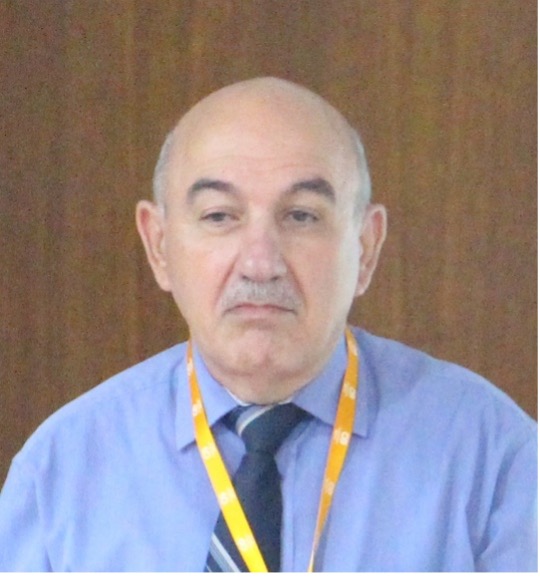 Prof Salam Titinchi is a Full Professor of Inorganic Chemistry and Catalysis Research Group Leader at the Department of Chemistry, University of the Western Cape (UWC), South Africa. He has served on the Editorial Board of the Mini-Reviews in Medicinal Chemistry journal since 2018. Prof. Titinchi has over 25 years of experience lecturing in the higher education sector at the University of the Western Cape, South Africa, and the University of Basrah, Iraq. His Research interests are focused on the fields of heterogeneous catalysis and coordination chemistry and entail innovative designs for the synthesis of inorganic and hybrid organic-inorganic materials, coordination polymers, and organometallic complexes for catalysis applications. Another part of his research interest is focusing on synthesizing new organic compounds as anticancer agents. Over the past few years, new research directions have been established with a specific emphasis on advanced nanomaterials for energy and environmental applications that focus on catalysts for other applications (Carbon Capture & Utilization and surface-modified nano-magnetic particles for water treatment). Prof Titinchi has published more than 100 articles and conference proceedings in the fields of catalysis and materials, as well as organic compounds for medicinal applications. He Edited the book “Advanced Catalytic Materials” WILEY, LLC, US, 2015 and Authored three book chapters: “Nano-catalysis and their Application in Water & Wastewater” in “Nanocatalysis: Applications and Technologies” CRC Press-Taylor & Francis, 2019; “Zeolites: Smart materials for novel, efficient, and versatile catalysis” in “Advanced Catalytic Materials” WILEY, LLC, US, 2015 and “Advanced materials for biomedical application & drug delivery” in “Advanced Materials: Healthcare", WILEY, LLC, US 2014. Prof Titinchi serves as a Reviewer for 46 international peer-reviewed journals, and he has presented his research work at over 30 international and national conferences. He Delivered several invited talks at various symposia at the South African Centre for Carbon Capture and Storage Workshop: Identification and Quantification of the Potential of Carbon Mineralisation for CO2 Emissions Reduction in South Africa, Johannesburg, South Africa, 9 Sept. 2018; the 4th South African Carbon Capture and Storage Conference (CCS), Johannesburg, South Africa, 20-21 Oct 2015; 1st International Congress on Advanced Materials, Jinan, China, 7-9 May 2011 and The 1st National Conference on Chemistry, University of Basrah, Iraq, 22-23 Feb. 2000. Prof Titinchi also Chaired a session at the International Conference on Greenhouse Gas Technologies (GHGT), Austin, Texas, USA, 5-9 October 2014. He also organized international workshops on Carbon Capture at UWC 2014-2019.
Abstract: Surface-engineered magnetite-based nanocomposites as adsorbents for sustainable wastewater treatment
 Prof Karen Wilson is Professor of Catalysis and co-director of the Surfaces Materials and Catalysis Group at Griffith University in Queensland. She is currently also a visiting Professor at the NANOCAT University of Malaya and the Hydrogen Energy and Low Carbon Center of Lanzhou University. Previously, she held professorial positions at RMIT University (2018-23) and Aston University (2013-17). At Aston, she was also Research Director of the European Bioenergy Research Institute and held a prestigious Royal Society Industry Fellowship in collaboration with Johnson Matthey. Karen holds a BA and PhD from the University of Cambridge, and an MSc in heterogeneous catalysis from the University of Liverpool, and has also held academic positions at the University of York and Cardiff University. She has published >300 peer-reviewed articles (h-index 87;>27,000 citations on Google Scholar). Karen’s research interests lie in the design of tunable porous materials for the sustainable production of biofuels and chemicals from renewable resources. Karen is Editor-in-Chief of Sustainable Energy & Fuels (Royal Society of Chemistry), Associate Editor of Energy & Environmental Materials (Wiley), and Editorial Board member for Energy & Environmental Science (Royal Society of Chemistry). She was also a founding co-investigator and theme leader of the Australian Research Council Centre of Excellence, ‘Green Electrochemical Transformation of Carbon Dioxide’ - GetCO2
Abstract: Catalysing a Sustainable Future
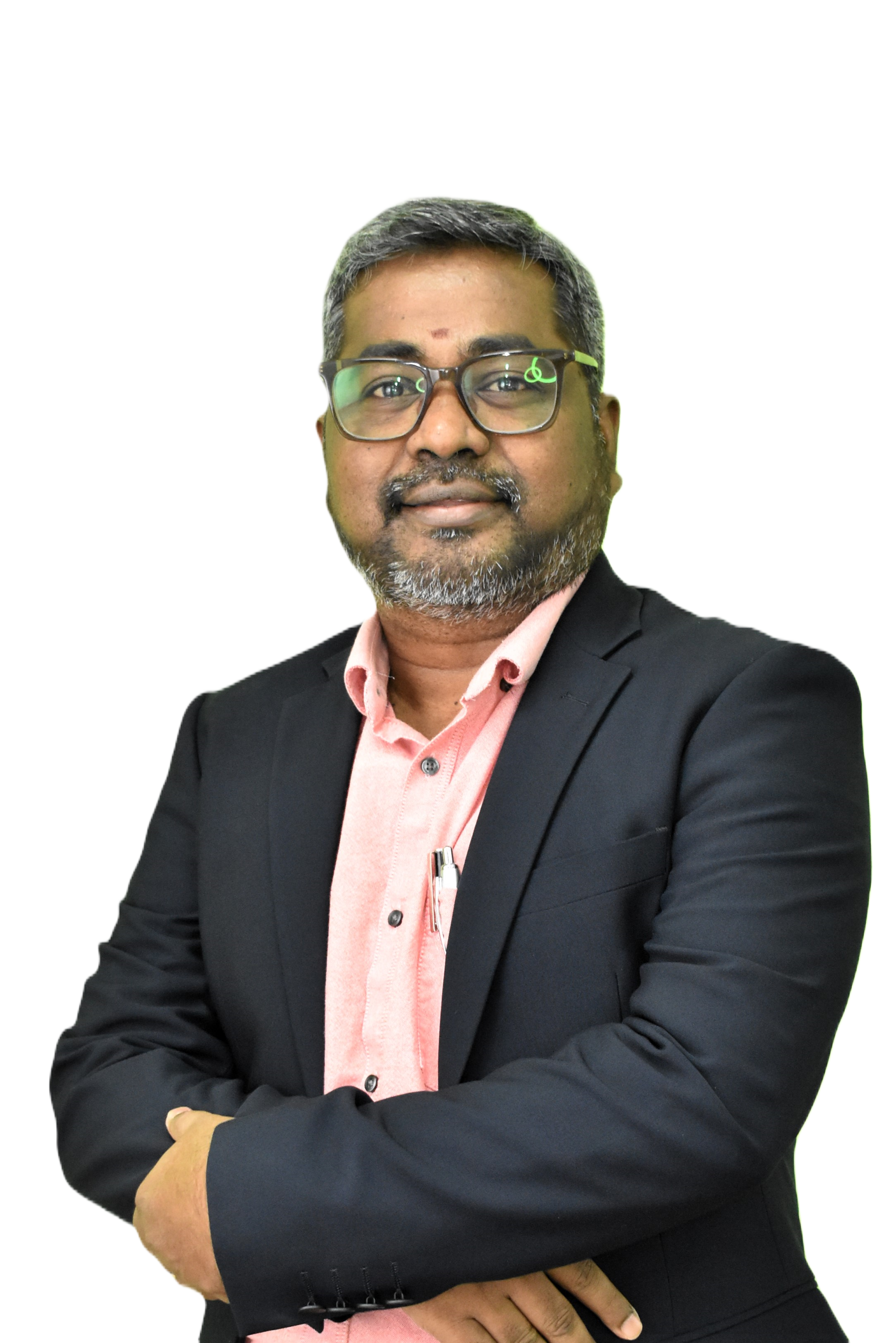
Prof. Suresh Sagadevan, CChem (UK), FRSC (UK) is working as a Professor and Head for International affairs in Nanotechnology & Catalysis Research Centre, University of Malaya, Malaysia. Prof Dr. SURESH SAGADEVAN is a material scientist well known for his outstanding scholastic contribution focused on the energy and environmental applications. Three of his articles are linked to UN Sustainable Development Goals (Elsevier, 2020–2022), highlighting the real-world impact of his research. Prof Dr. SURESH SAGADEVAN is well recognized in his field, both internationally and as well as locally through receiving many international and national awards. Stanford University documented him in World's Top 2% Scientists for single and career-long citation impact. He is also renowned for Best Scientists in the field of Materials Science, Malaysia (2026) and Malaysia's World's Rising Stars of Science (2025). He was acknowledged with the prestigious award from Japan Society for the Promotion of Science (JSPS) fellowship, in Japan, (2023). Furthermore, he received awards as a Fellow of the Royal Society of Chemistry (FRSC) and Charted Chemist (CChem) conferred by the Royal Society of Chemistry, UK. Moreover, he serves as an Editor, Guest Editor, and Editorial Board Member for reputed ISI journals, alongside recognized reviewer roles. Recently he was appointed to the Youth Editorial Board of Advanced Powder Materials (Elsevier publisher; impact factor: 24.9; April 2026–March 2027). Additionally, he was frequently invited as a plenary, keynote, guest speaker at international conferences, workshop, seminars and webinars. In addition, he has acted as an assessor for PhD/MSc programs and academic promotions at several universities. Prof. Dr. Suresh Sagadevan research focuses on nanofabrication, functional materials, graphene, polymeric nanocomposites, thin films for solar cells, supercapacitors, optoelectronics, photocatalysis, and biosensor applications.
Abstract: Carbon–Magnetite Photocatalysts for Wastewater Treatment and Environmental Remediation
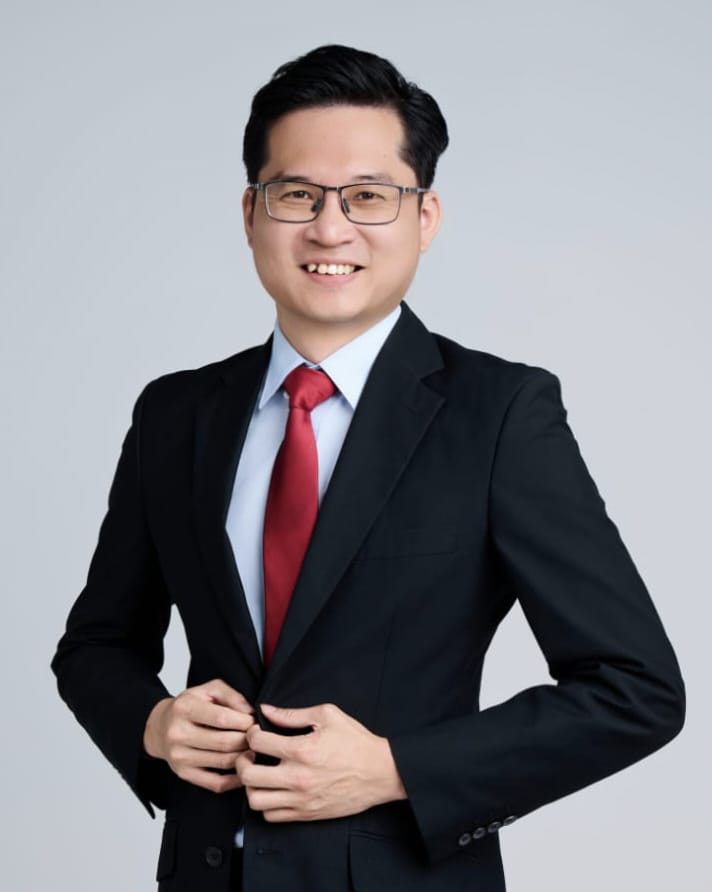
Prof. Ir. Ts. Dr. Lai Chin Wei [PhD, BEng(Hons) | PEng, PTech, CEng (UK), MIEM, MIMechE (UK)] is currently a full professor in Nanotechnology & Catalysis Research Centre, University of Malaya. Lai’s research focuses on chemically modified and functionalized metal oxide photocatalysts and graphene-based carbon materials, with an emphasis on sustainable development and advancing science, technology, and innovation for environmental pollution management and energy storage applications. As a scholar and an indication of the global impact of research work (top 2% scientists in a global list), Lai’s works have been published in more than 300 refereed international top-tier journals with Scopus h-index of 53, 8 patents (granted 3 patents), 100 book chapters, and 100 international proceedings in materials science, physics, chemistry, and renewable energy researches. Lai served as section editor/editor for a book entitled “Encyclopedia of Energy Storage: Capacitors/ Supercapacitors 2022” (Elsevier ISBN: 978-0-12-819730-1), “Encyclopedia of Green Materials: Green Materials for Additive Manufacturing 2024” (Springer ISBN: 978-981-16-4921-9), “Nanotechnology in Cosmeceuticals 2025” (Elsevier ISBN: 978-0-44-330184-1), and "Nanocomposites for Sustainable Wastewater Treatment 2025" (Springer ISBN: 978-981-95-1368-0).
Recently, Lai was recognized on the 2025 Asian Scientist 100 list by Asian Scientist Magazine (Singapore) for his outstanding contributions to photocatalysis and sustainable development. Through his work nanomaterials and catalysis field, Lai was awarded as JCI TOYP - Ten Outstanding Young Persons of the World 2024 (Academic Leadership and Accomplishment), APEC Science Prize for Innovation, Research and Education (ASPIRE) 2023 National Winner, IAAM Scientist medal 2023, Institution of Mechanical Engineers (IMechE) Best Young Member Award 2022, JCI TOYM - Ten Outstanding Young Malaysians 2021 (Academic Leadership and Accomplishment), National Young Scientist Award 2019 by The Ministry of Energy, Science, Technology, Environment and Climate Change (MESTECC), MASS Young Researcher Award 2018 by Malaysian Solid State Science & Technology Society. Lai's vision and direction in academic career are addressing global challenges with advanced nanomaterials design and development for a sustainable future.
Abstract: Advancing Environmental Remediation with Titanium Dioxide-Based Nanoparticles: From Innovation to Real-World Applications